


Imagine a person entering a walk-in clinic and requesting a detailed opinion on their overall health without being able to provide any reasonable degree of medical history. Now imagine the cost of performing enough diagnostic testing to rule out any undiagnosed health issues...this is the problem with performing an end-of-life Phase 1 ESA.
The Optima Evergreen ESA: A Paradigm Shift in Environmental Site Assessment
The "Optima Evergreen ESA" offers a revolutionary approach to environmental site assessment for oil and gas well sites in the Western Canadian Sedimentary Basin, dramatically differentiating itself from the conventional Phase 1 and 2 ESA processes. Developed through a collaboration between LCM Optima and enSift, this perpetual, subscription-based service leverages cutting-edge AI and expert system models to provide unparalleled efficiency, accuracy, and cost-effectiveness.

The Digital Clothesline
The Optima Evergreen ESA is built on the principle of a "digital clothesline," meticulously capturing and analyzing data across seven critical periods of a well site's lifecycle. This integrated lifecycle data capture, analysis, and curation model utilizes targeted language models operating on closed, curated historical site-specific data and expert system models to automate the contamination discovery process. This proactive, continuous assessment offers significant advantages over the traditional reactive approach.
Key pins on the digital clothesline:
-
Standardized capture of base data from well drilling, including well lease layout, drilling Tour Sheets, waste manifests, drilling mud chemical additive lists, cutting analysis, and details on remote disposal sites (offsite sumps or waste disposal facilities).
-
Focuses on surface facility layout and construction diagrams, pipeline license and specification data, pipeline chemical inhibitor data, and river or stream crossing data.
-
Encompasses annual housekeeping inspections, incident reports, and any reportable spill or release records.
-
Includes inactive site inspection records, SCVF (Surface Casing Vent Flow) and gas migration testing history, and site equipment inventory on lease.
-
Gathers abandonment program details, Tour Sheets, daily reports, and the dependent or "as-left" site inspection.
-
Focuses on the summarization and stratification of the cut and capped inventory, broken out by reclamation map zone and provincial location.
By perpetually aggregating and analyzing this data, the Optima Evergreen ESA functions as a proactive "detective function," identifying potential contamination risks throughout the well site's operational life. This continuous vigilance leads to dramatic cost savings and enhanced environmental stewardship, especially at the critical end-of-life well site closure stage.

Traditional Phase 1 and 2 ESA: An Outdated and Inefficient Model
The current environmental site assessment products offered in the environmental services space can quickly evolve into a resource heavy treasure hunt. Highly inefficient, this approach is costly, and often leads to inconclusive results.
Limited Scope and Point-in-Time Assessment
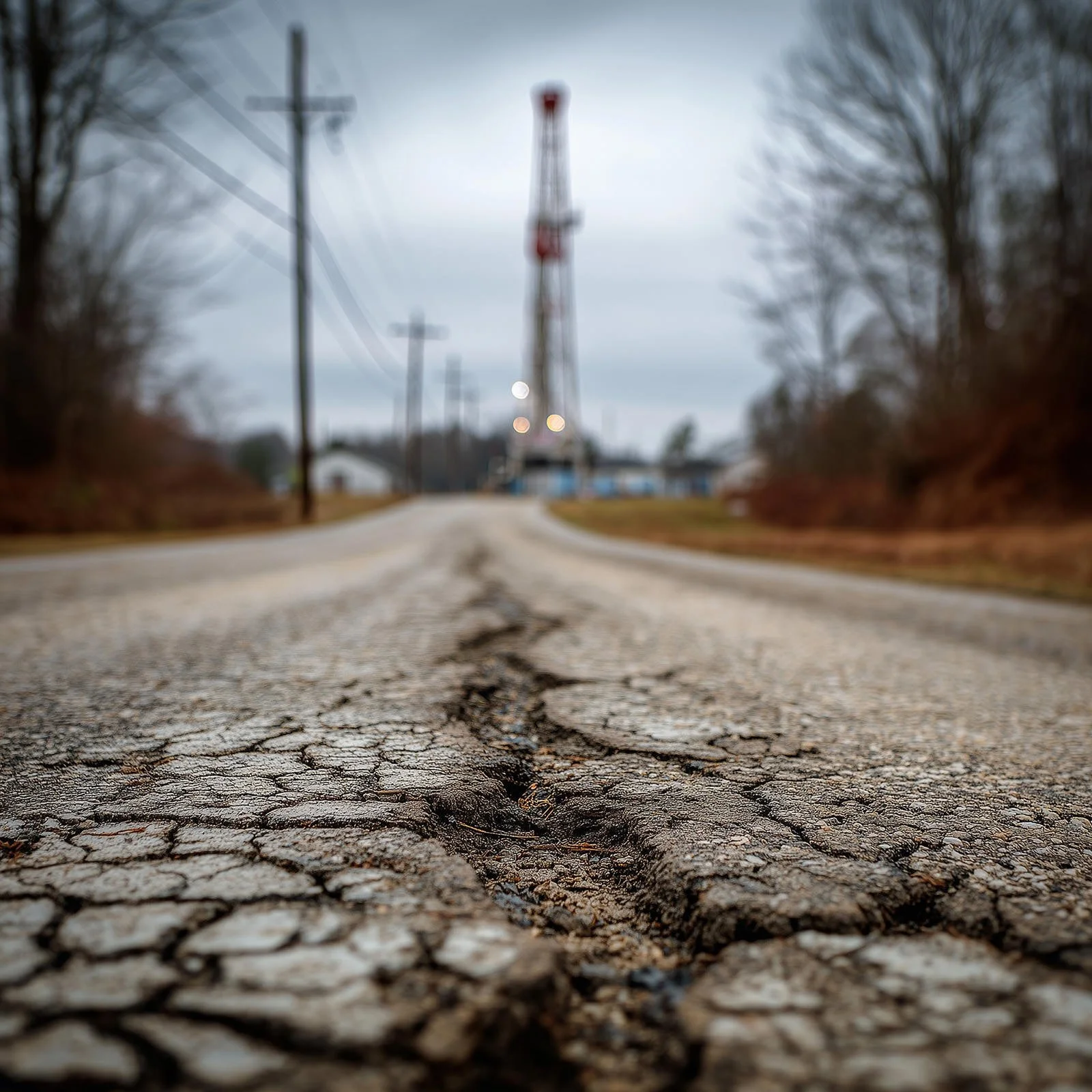
Traditional Phase 1 ESAs involve a crude and limited investigation of sparse records, typically conducted only at the point in time when the well site is slated for reclamation. This reactive approach often fails to gather sufficient relevant records and data needed to support applications for site reclamation certification.
High Incidence of Inconclusive Results
In more than 70% of cases, the Phase 1 ESA proves inconclusive, necessitating a more extensive and costly Phase 2 ESA which more often than not leads to rapidly escalating costs and little benefit.
Costly and Often Unnecessary Phase 2 ESAs
Phase 2 ESAs involve significant on-site work, including extensive bore-hole surveys and analysis. Despite the substantial cost increase (driving the average cost of a Phase 1 and 2 ESA to nearly $30,000 CAD from an initial $2,000 CAD for a Phase 1), more than 70% of these investigations fail to discover any significant contamination issues that would warrant a Phase 3 remediation project. This often leads to unnecessary expenditure without a corresponding environmental benefit.
Lack of Lifecycle Integration
The current model lacks a holistic, lifecycle perspective, missing critical data points and opportunities for early detection and proactive management of environmental risks.

Differentiated Value Proposition for the Upstream Oil and Gas Industry
The Optima Evergreen ESA delivers a clear and compelling value proposition for owners of oil and gas sites in the Western Canadian Sedimentary Basin:
-
Automation driven by AI and expert systems drastically reduces the time and resources traditionally required for environmental assessments
-
Continuous data capture and analysis across the well site's lifecycle provide a more comprehensive and accurate understanding of environmental conditions, minimizing the risk of undetected contamination or unnecessary further investigations.
-
By proactively identifying and addressing potential issues, and by dramatically reducing the need for costly and often fruitless Phase 2 ESAs, the Optima Evergreen ESA offers substantial financial savings over the lifespan of a well site, especially during the end-of-life closure process.
-
The perpetual nature of the assessment allows for early detection of potential environmental concerns, enabling timely intervention and minimizing the likelihood of escalating issues.
-
With a more complete and accurate historical record of the well site, the Optima Evergreen ESA streamlines the reclamation certification process, improving the efficiency and success rate of site closures.
-
A robust and transparent environmental assessment process enhances compliance with regulatory requirements and bolsters the company's environmental reputation.
In essence, the Optima Evergreen ESA transforms environmental site assessment from a reactive, expensive, and often ineffective "point-in-time" exercise into a proactive, intelligent, and continuously valuable lifecycle management tool, delivering significant economic and environmental benefits to the upstream oil and gas industry.
Take control of closure costs
Learn more about potential cost saving strategies.